5 Trees, One Planet: The Environmental Benefits of Teak, Cedar, and Other Hardwoods

5 Trees, One Planet: The Environmental Benefits of Teak, Cedar, and Other Hardwoods
Hardwood often gets a bad rap. When people think of wooden furniture, floors, or decks, they usually imagine clear-cut forests and disappearing ecosystems. While that concern is partly true, it doesn't tell the whole story. If you choose the right hardwoods from responsible sources, they can be some of the most eco-friendly materials available. These woods offer real environmental benefits.

This article will clear up common myths and facts. We'll explore the environmental benefits of teak, cedar, and other hardwoods, explain how some wood choices really do help the planet, and offer practical tips for making eco-friendly purchases.

Why the Right Wood Is a Climate Tool

Here's the main idea: as a tree grows, it absorbs carbon dioxide from the air and stores the carbon in its wood. That carbon stays locked away for as long as the wood is used, whether it's a dining table, a hardwood floor, or a deck that lasts forty years.

So, when hardwood is harvested responsibly, it acts as a long-term carbon store. A well-managed forest—where trees are selectively harvested and replanted instead of being cleared—can actually store more carbon over time than a forest left alone. Younger, fast-growing trees take in carbon quickly, so a mix of tree ages in a working forest helps remove CO₂ from the air at a steady, high rate.

Compare this to the alternatives:
  • Steel and aluminum require enormous energy to smelt and shape.
  • Concrete production is responsible for roughly 8% of global CO₂ emissions.
  • Plastic and vinyl are made from petroleum and degrade into microplastics over decades.
Wood, on the other hand, is renewable, needs less energy to process, and breaks down safely in the soil when it's no longer used.


Choosing responsibly harvested timber yields incredible environmental benefits that reach far beyond simple carbon storage. By relying on well-managed working forests instead of synthetic materials, we conserve vital natural resources and significantly reduce our reliance on the fossil fuels required to manufacture plastics, concrete, and metals. Sustainable forestry balances timber harvesting with continuous replanting, creating a truly renewable system that safeguards biodiversity and ecosystems.


Furthermore, these thriving, active forests serve as nature's air filters, actively producing clean air by absorbing atmospheric pollutants and releasing pure oxygen. Investing in long-lasting, certified hardwood products ensures that we leave a healthier, more resilient planet for future generations to enjoy, turning everyday furniture and construction choices into lasting investments in environmental stewardship.

 
But the environmental benefits of hardwood depend a lot on where it's grown and how it's harvested.

Teak: The Gold Standard of Outdoor Durability

Teak has been valued for centuries, and with good reason. This Southeast Asian hardwood is rich in natural oils and silica, which make it highly resistant to rot, insects, and moisture without chemical treatment.
 
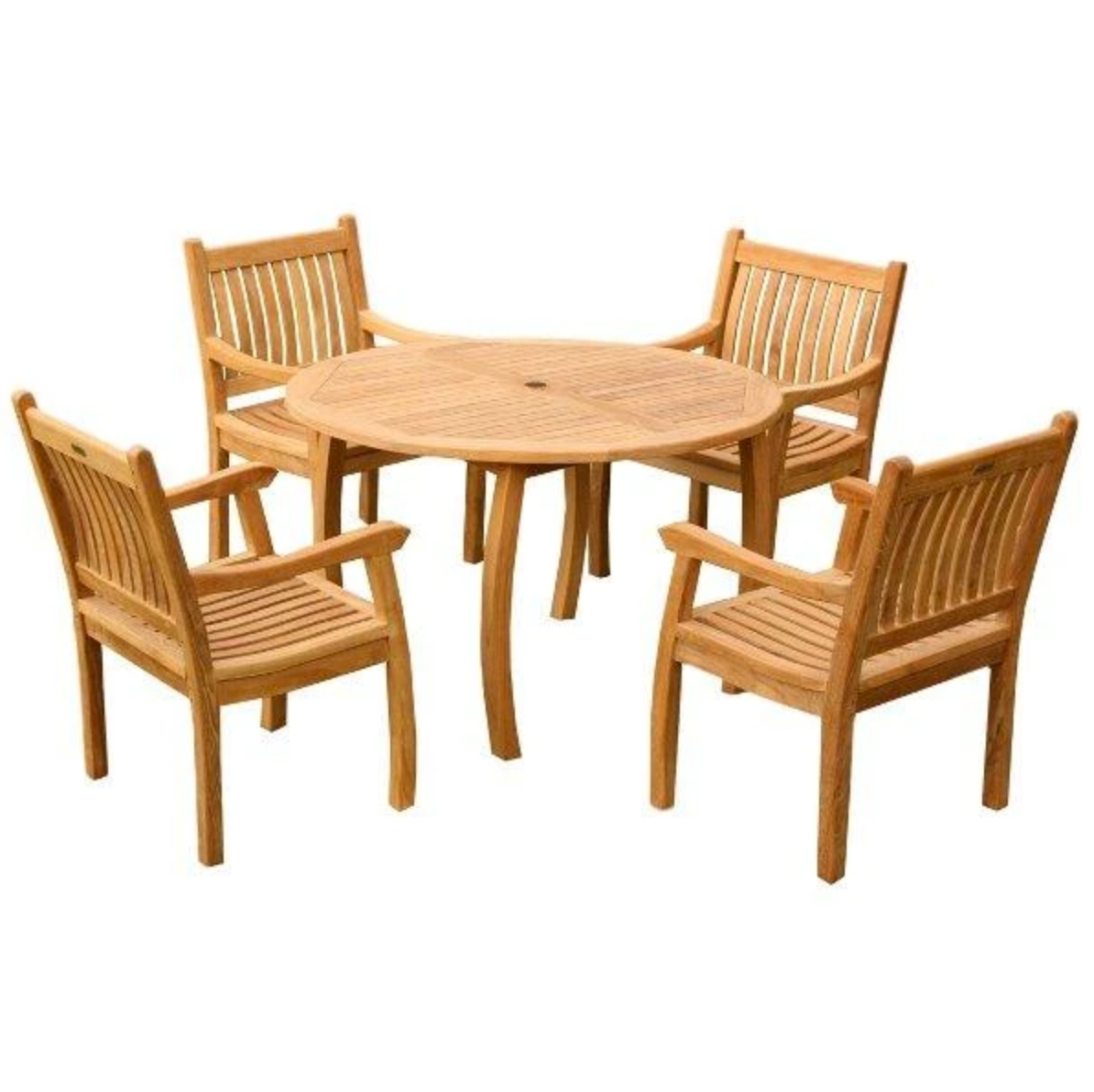
Teak hardwood trees and outdoor wood showing natural durability and environmental benefits

The Environmental Case for Teak

Since untreated teak naturally resists decay, it doesn't need toxic preservatives or chemical finishes. Over time, it develops a beautiful silver-gray color and can last 50 to 100 years outdoors. Its long life means you'll need to replace it less often, which also means less waste going to landfills.

The challenge is where the teak comes from. Wild teak from old-growth forests in Myanmar and Indonesia is often linked to illegal logging and habitat loss. The better choice is plantation-grown teak, usually certified by groups like the Forest Stewardship Council (FSC). FSC-certified teak comes from managed plantations where workers replant trees after harvest, protect workers' rights, and care for nearby ecosystems.

Here's a practical tip: always ask if the teak is FSC-certified or comes from a trusted plantation. Reclaimed teak, which is taken from old buildings, boats, or warehouses, is also a great choice and doesn't require cutting down new trees.

Cedar: Lightweight, Natural, and Renewable

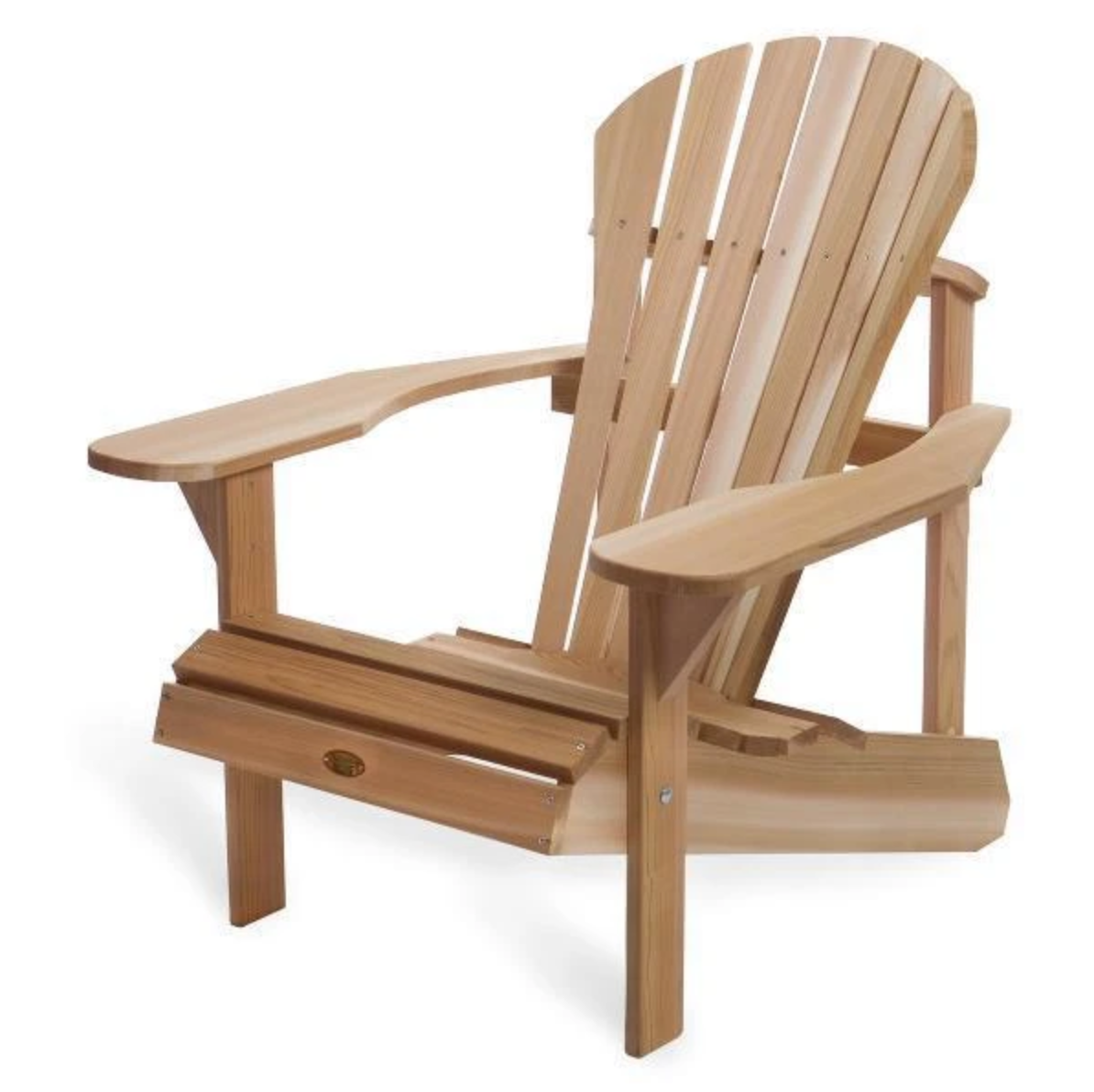
Western red cedar and other types of cedar grow widely across North America, so they don't have to be shipped far and are easy to find locally. Cedar naturally resists decay and insects because it contains thujones, which are toxic to fungi and pests. This means the wood protects itself.

Key Environmental and Useful Benefits of Cedar

  • Fast regeneration: Cedar grows relatively quickly and regenerates well, supporting a genuinely renewable supply when forests are managed well.
  • Low processing energy: Cedar is soft and lightweight, so it takes less energy to cut, plane, and transport than dense tropical hardwoods.
  • Natural insulation: The same lightweight, airy structure that makes cedar easy to work with also gives it good thermal insulating properties, which can reduce heating and cooling energy in homes.
  • No chemical pressure-treating required: Like teak, cedar resists rot on its own, avoiding the arsenic and copper compounds historically used in treated lumber.
Keep in mind that cedar is softer than most hardwoods, so that it can dent more easily. It works well for decking and siding, but for floors that get heavy use, a harder wood might be better. Because cedar naturally resists decay, it doesn't need much finish—just a clear, low-VOC sealant will do.

Other Hardwoods Worth Considering

White Oak

White oak is a reliable North American hardwood. Its tight grain and high tannin content make it very resistant to moisture and decay, which is why it's been used for centuries in boat building and whiskey barrels. In the U.S., oak forests are managed with selective harvesting, and when certified, white oak is a strong, sustainable, and durable option for floors and furniture.
 
White oak wood grain and stain example for sustainable flooring and furniture

Black Locust

Black locust is often overlooked, but it's one of the most naturally durable woods found in temperate regions. It can last 50 years or more, even in direct contact with the ground, matching the durability of tropical hardwoods without chemicals. Black locust grows quickly, does well on poor soil, and adds nitrogen to the ground as it grows, making it a popular eco-friendly alternative to pressure-treated lumber and imported tropical woods.

Ipe and Tropical Species — The Cautionary Tale

Ipe, also known as Brazilian walnut, is extremely dense and durable, but it shows the risks of using tropical hardwoods. Much of it has been taken illegally from the Amazon, which harms biodiversity. If you choose tropical hardwoods, look for FSC certification to ensure the wood is legal and responsibly sourced.

How to Choose Eco-Friendly Hardwood

Choosing the right wood is easy once you know what to look for. Here's a simple checklist to use when shopping:
  1. Look for certification. Look for FSC (Forest Stewardship Council, the Program for the Endorsement of Forest Certification (PEFC), or the Sustainable Forestry Initiative (SFI). Certification is your best indicator that harvesting practices protect forests and people.
  2. Prioritize domestic or regional species.Locally grown wood requires far less fuel to transport, reducing its overall carbon footprint.
  3. Choose naturally durable species.Wood that doesn't need chemical treatment avoids introducing toxins into your home and the environment.
  4. Consider reclaimed wood.Second-life lumber has already "paid" its harvest cost and diverts material from landfills.
  5. Think about lifespan, not just price.A durable piece that lasts fifty years is almost always greener than a cheap item replaced every five.
Reclaimed teak wood and durable hardwood materials with environmental benefits

Common Mistakes to Avoid

Even well-intentioned buyers stumble into these traps:
  • Assuming "hardwood" means "sustainable." It doesn't. Old-growth tropical hardwood can be among the least eco-friendly options. Certification matters more than species.
  • Ignoring finishes.A sustainably harvested board coated in high-VOC, petroleum-based sealant lessens the environmental gain. Choose low-VOC or natural-oil finishes.
  • Choosing the wrong wood for the job. Buying a soft, fast-growing species for an application that demands durability leads to early failure and waste. Match the wood to the use.
  • Overlooking reclaimed options. Beautiful, character-rich reclaimed lumber is often more distinctive than new wood—and far better for the planet.


Maintenance That Extends Life (and Protects the Planet)

The best thing you can do for the environment is to make your wood products last as long as possible. Simple habits can make a big difference:
  • Protect outdoor wood from standing water and direct soil contact where possible.
  • Clean with mild, biodegradable soaps rather than harsh chemical strippers.
  • Re-seal periodically with a low-VOC finish to lock in durability.
  • Repair rather than replace — a professional can sand and refinish most solid hardwood many times over, successfully resetting the clock.
If you take care of teak, cedar, or oak, these woods can last for generations. Each extra year you use them keeps carbon stored and reduces landfill waste.

Frequently Asked Questions

Is teak environmentally friendly?
Only when it's certified: FSC-certified plantation teak is a sustainable, extremely durable choice, while illegally harvested wild teak contributes to deforestation. Always verify origin.

What makes cedar a sustainable wood? 
Cedar grows quickly, regenerates well, requires little processing energy, and resists rot naturally — meaning it needs no chemical treatments. Regional sourcing further reduces its footprint.

Are hardwoods better for the environment than softwoods? 
Not inherently. The deciding factors are certification, harvesting practices, durability for the intended use, and transport distance—not whether the wood is "hard" or "soft."

How does wood help fight climate change? 
Trees absorb CO₂ as they grow and store the carbon in their wood. Durable hardwood products keep that carbon locked away for decades, acting as long-term carbon stores.

What is FSC certification and why does it matter?
The Forest Stewardship Council certifies wood from responsibly managed forests. FSC is widely considered the most credible guarantee that lumber is legal, sustainable, and ethically sourced.

The Bottom Line

Teak, cedar, and other hardwoods really do offer environmental benefits, but only if they're grown, harvested, and used responsibly. How a tree is managed makes all the difference.
Choose certified or reclaimed wood. Select naturally durable types so you don't need toxic treatments. Use the right wood for the job and take care of it so it lasts for decades. When managed well, wood is a renewable, carbon-storing, and repairable material that often beats plastic, steel, and concrete for the environment.

So, the next time someone says all wood is bad for forests, you'll know the facts and the right questions to ask before you buy. That way, your choice can truly help the planet.


Also in News

Composting and Waste Reduction Tips for Outdoor Gatherings

Solar-Powered Outdoor Accessories: Energy-Free Solutions for Every Patio and Garden

Green Patio Design: Create a Sustainable Outdoor Space That's Beautiful and Built to Last