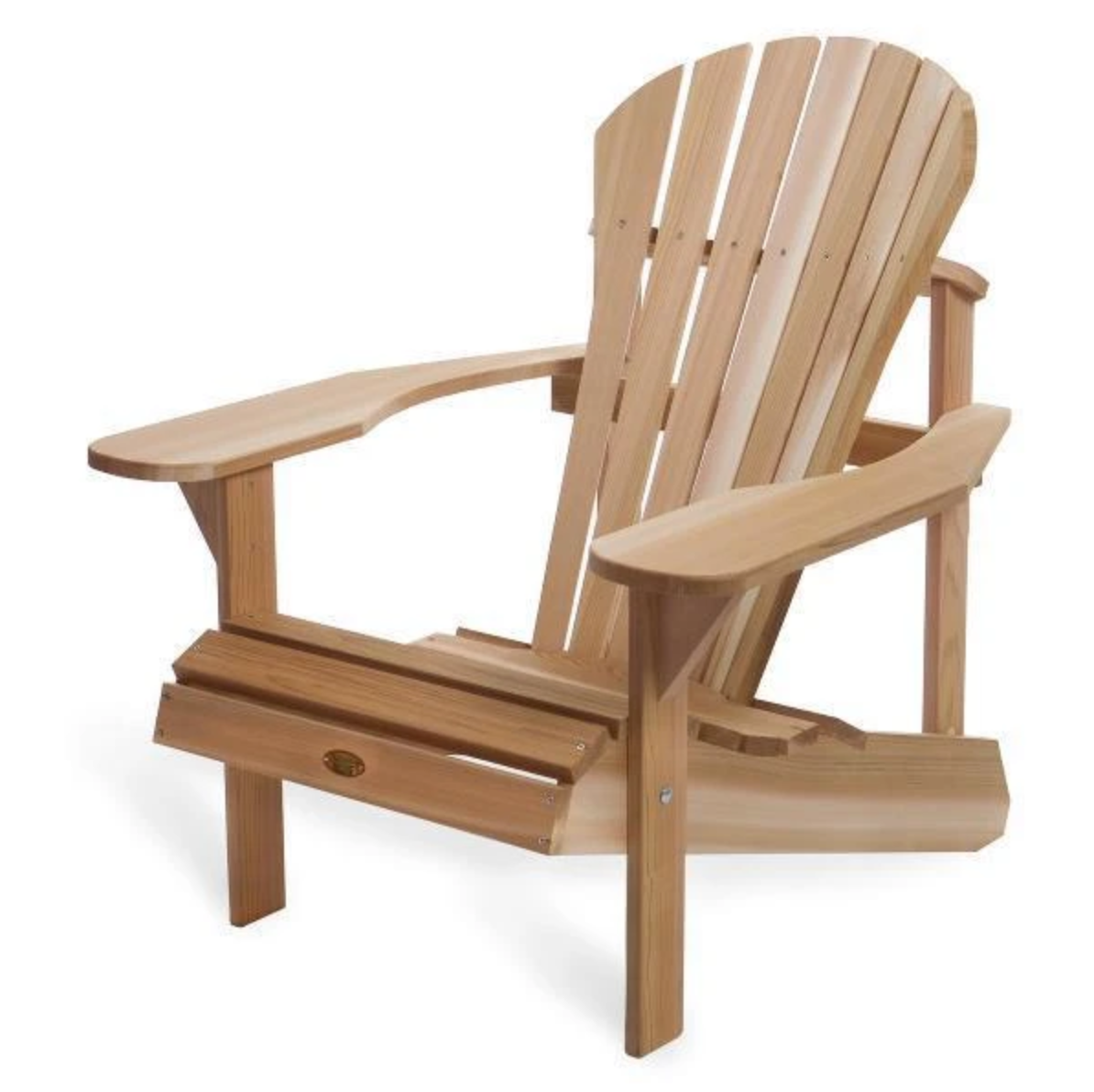
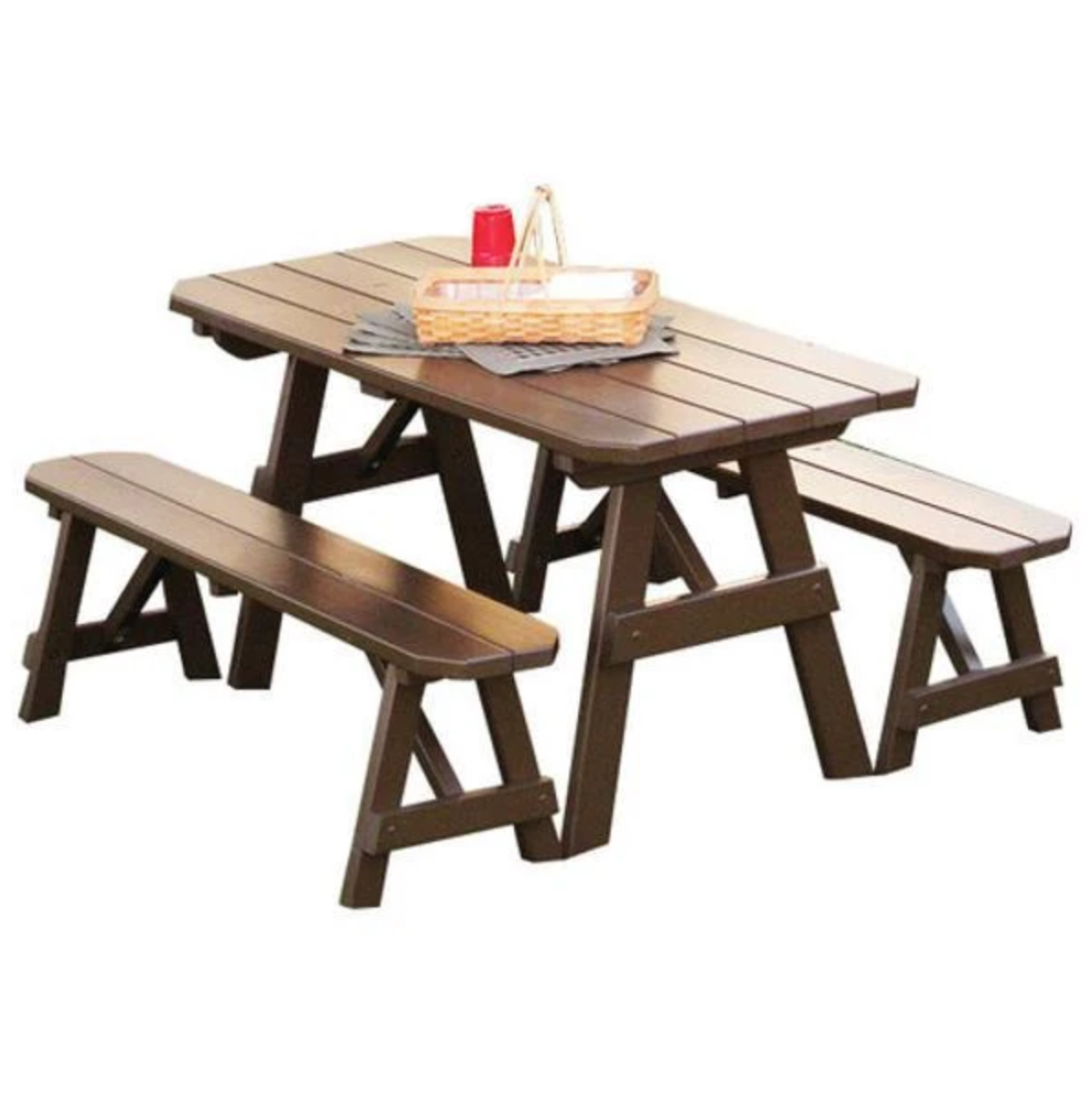
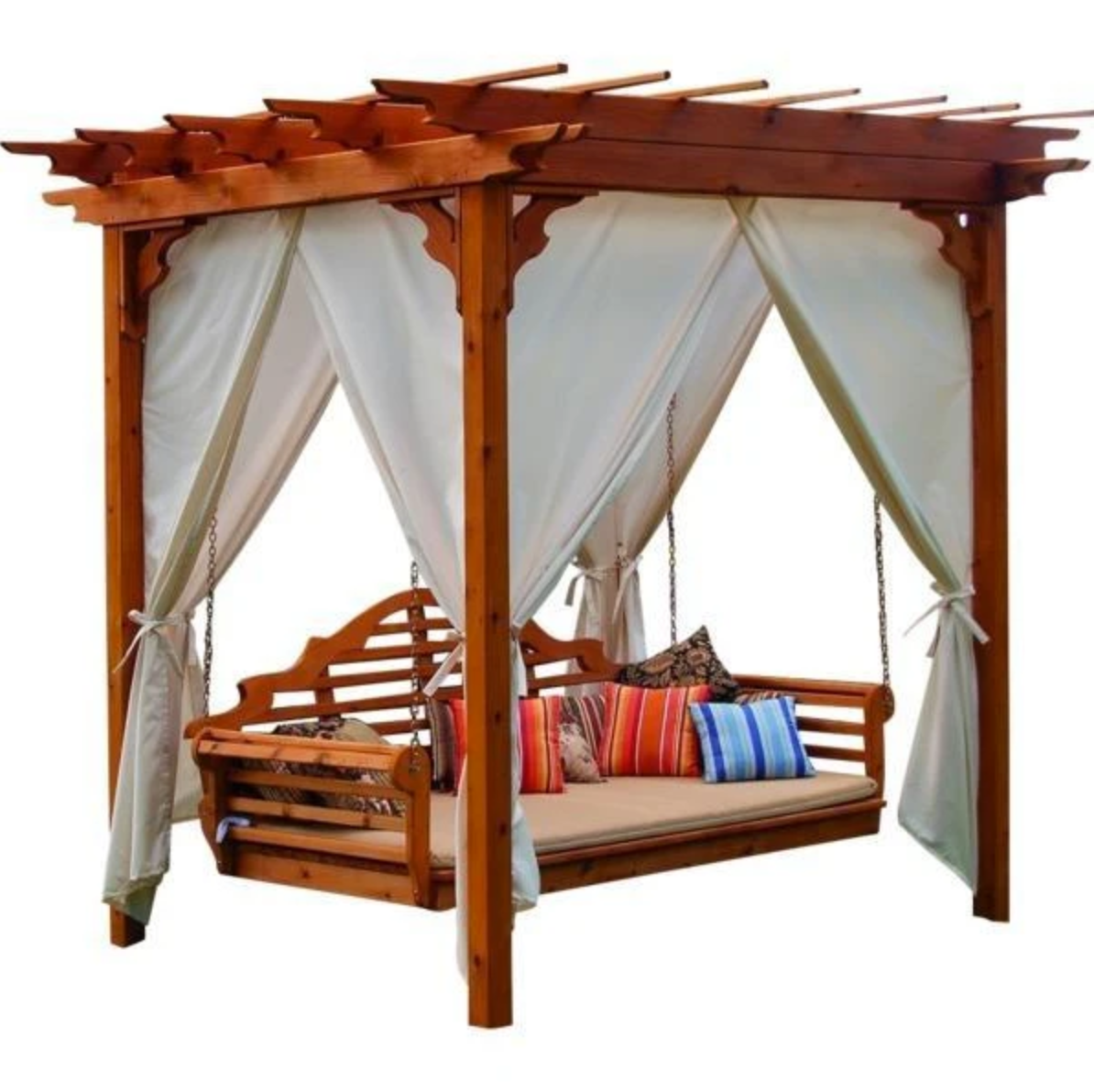
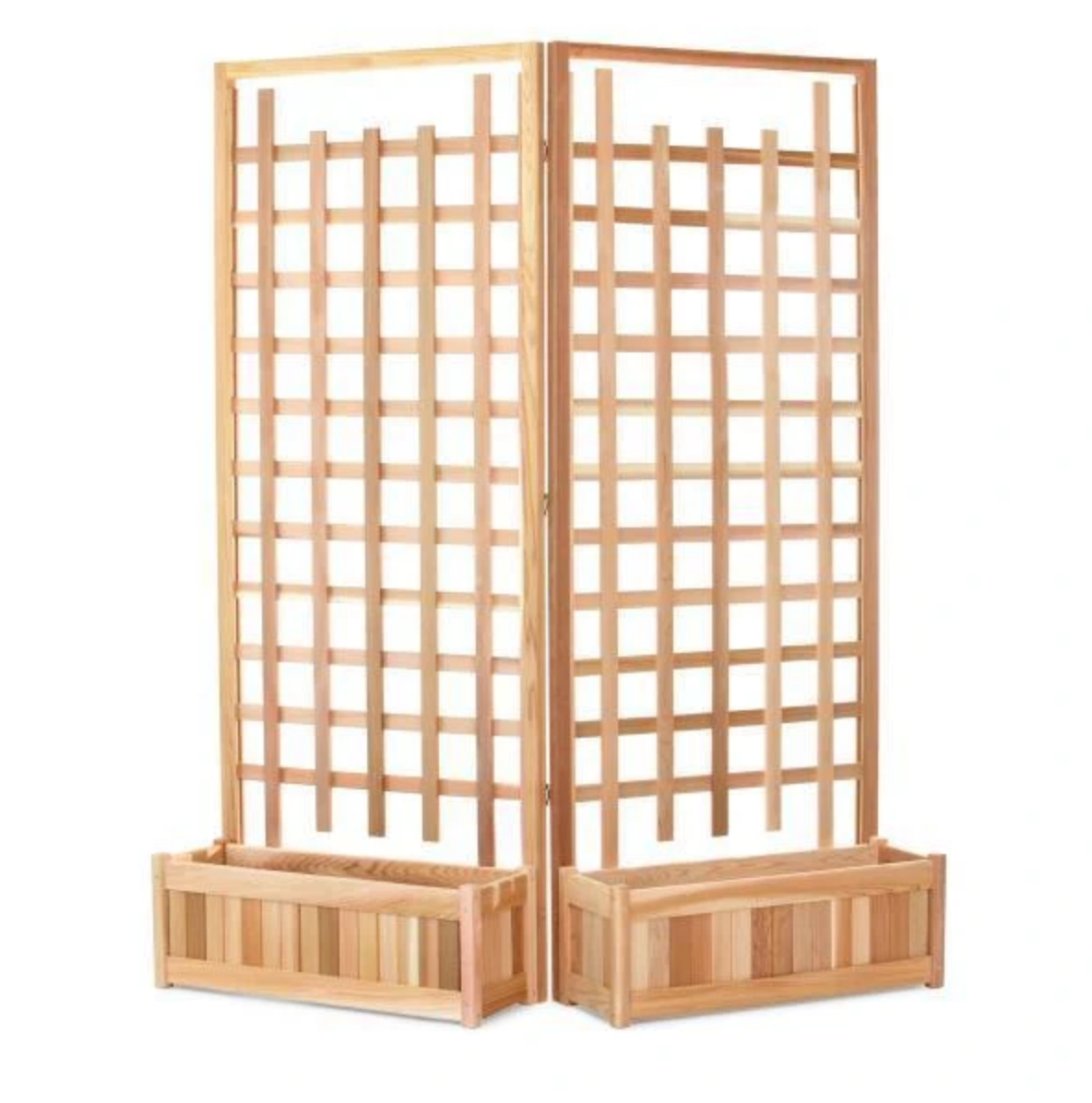
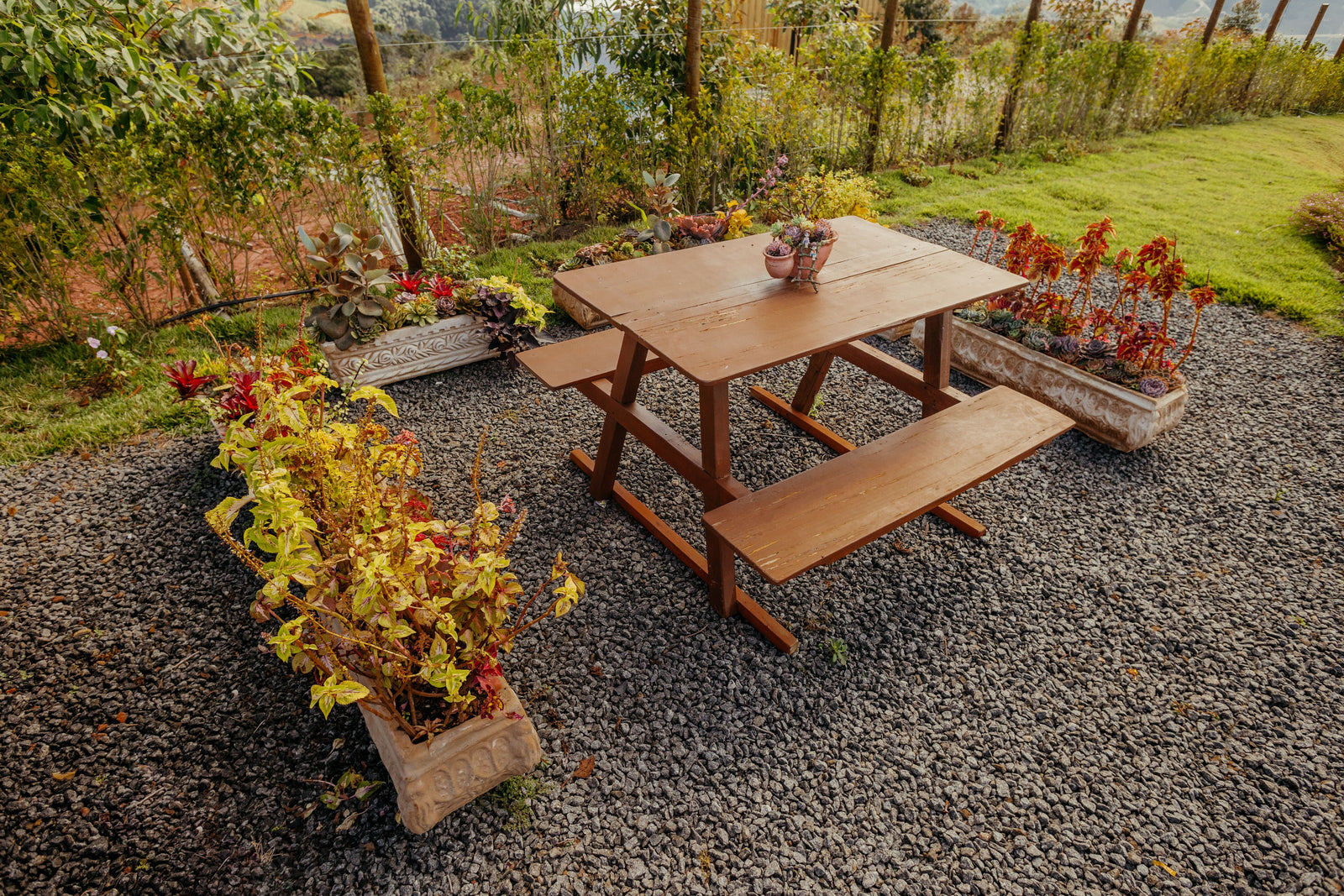
Weatherproofing Wooden Outdoor Furniture: What You Need to Know
Weatherproofing wooden outdoor furniture is an investment in comfort, style, and your home’s aesthetic. Without proper protection, rain, UV rays, temperature fluctuations, and humidity can degrade wood, causing warping, cracking, fading, mold and mildew, and rot. Strategic weatherproofing helps protect your pieces for years to come, making it a smart choice for anyone who wants durable outdoor furniture.
This guide covers how to waterproof wood and protect wooden outdoor furniture from the elements—from initial selection to regular maintenance routines that keep your deck, patio, or garden looking pristine.
Untreated or poorly maintained wood exposed to outdoor conditions or outdoor elements deteriorates quickly. Within months, unprotected wood can show visible signs of damage: mildew discoloration, surface cracks from UV exposure, and softening from water absorption.
The financial impact is real: Replacing damaged outdoor furniture costs far more than investing in proper weatherproofing upfront. A quality outdoor sofa or dining set represents hundreds—sometimes thousands—of dollars. Protecting that investment with weatherproofing extends its lifespan from 2–3 years to 10+ years.
Beyond cost, weatherproofing wood preserves the natural beauty of the wood furniture. Teak, cedar, mahogany, and acacia develop rich patinas when properly maintained. Without protection, these woods turn gray, splintered, and uninviting.
Understanding Wood Types & Their Weather Resistance
Not all outdoor wood is created equal, so the type of wood you choose significantly impacts how much weatherproofing you'll need.
Naturally Decay-Resistant Woods
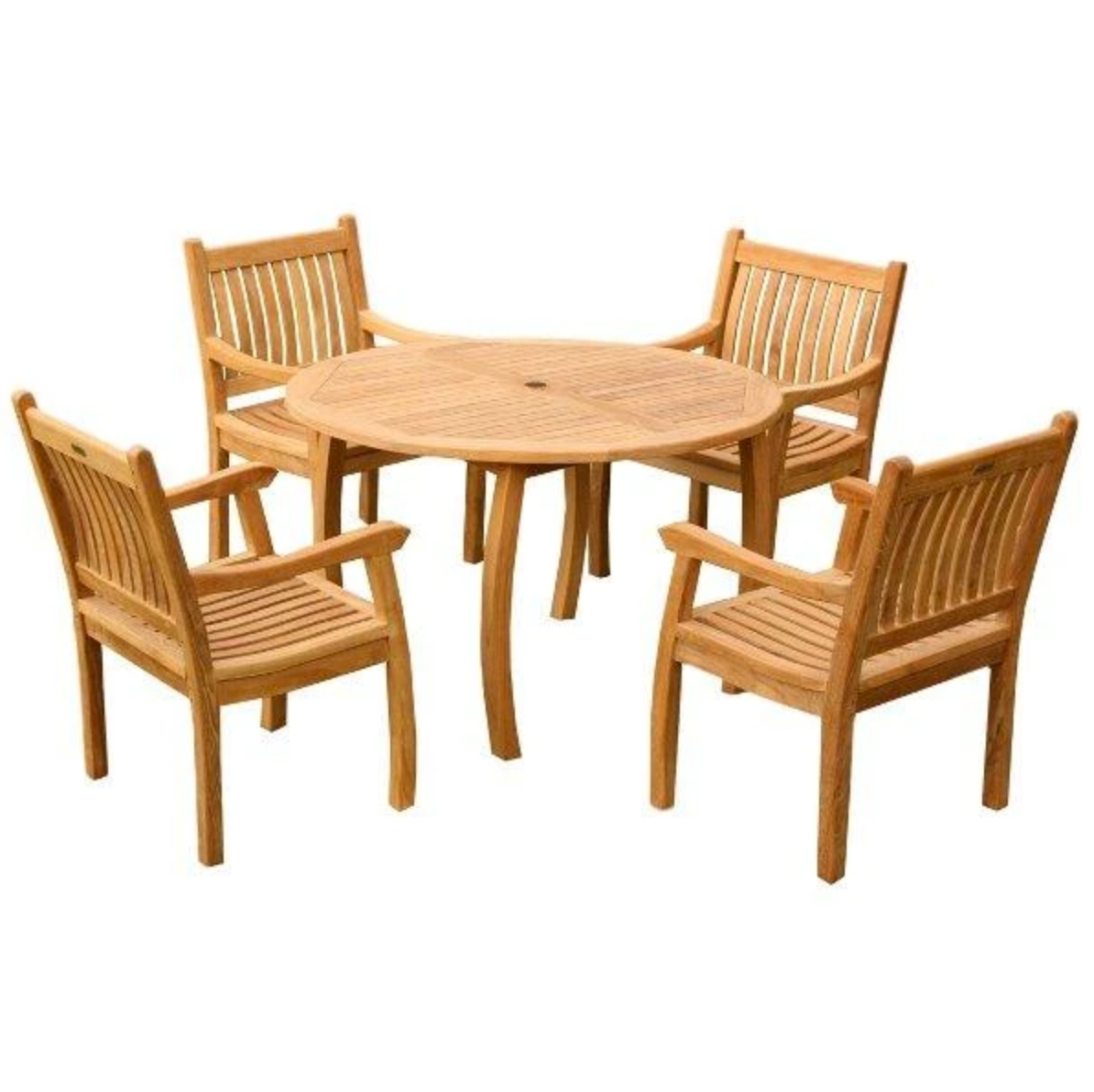
Teak is the gold standard for outdoor furniture. Native to Southeast Asia, teak contains natural oils that resist moisture, rot, and insects. High-quality teak can last 25+ years with minimal maintenance—sometimes requiring only annual oiling rather than aggressive treatments.
Acacia and eucalyptus offer similar natural resistance at lower price points. These hardwoods contain natural compounds that deter decay and insects, making them excellent choices for buyers seeking durability without premium pricing.
Cedar and redwood are popular North American options. While softer than teak or acacia, these woods contain natural oils providing moderate decay resistance. They're ideal for rustic aesthetics and mid-range budgets.
Softwoods Requiring Heavy Protection
Pine, fir, and spruce are less expensive but require more aggressive weatherproofing. These softwoods absorb moisture readily and lack natural decay resistance. If you choose budget-friendly softwood furniture, expect to invest significantly in sealants, stains, and treatments.
Pro tip: Invest in naturally durable wood once. The higher upfront cost pays dividends through reduced maintenance and a longer lifespan than repeatedly replacing budget softwood pieces.
Essential Weatherproofing Methods
1. Protective Sealants & Coatings
Sealants create a protective barrier against moisture, the primary enemy of outdoor wood.
Polyurethane sealantsoffer strong waterproofing and UV protection. They create a glossy or matte finish while highlighting the wood's natural grain. Reapplication is needed every 2–3 years, depending on climate.
Epoxy coatingsprovide industrial-level protection, especially useful for high-traffic furniture or harsh climates. They're more expensive and require careful application, but last 5+ years.
Water-based sealersare eco-friendly alternatives that dry quickly and emit fewer fumes.
They're less durable than polyurethane but suitable for moderate climates and require reapplication every 1–2 years.
Choose a sealant matched to your climate. Harsh winters, intense UV, or coastal salt air demand premium, longer-lasting products.
2. Stains & Tinted Treatments
Beyond sealants, stains serve dual purposes: aesthetic enhancement and moisture protection. Solid-color stains block UV rays more effectively than clear sealants, reducing fading and sun damage.
Semi-transparent stains reveal wood grain while offering moderate UV protection. They're ideal for naturally beautiful woods like teak or acacia where you want the wood character visible.
Application tip:Apply stains in thin coats rather than one thick layer. Multiple thin coats penetrate wood better and dry more evenly, creating superior protection.
3. Oils & Conditioners
Traditional approaches, especially for premium woods like teak, involve regular oiling. Teak oil and similar products nourish wood fibers, maintaining flexibility and preventing cracking.
Oil treatments work best on naturally rot-resistant woods and are ideal for those preferring a natural, matte appearance. However, they require frequent reapplication (every 3–6 months) and offer less UV protection than modern sealants.
Best use:Combine oils with UV-protective sealants for optimal results. Oil nourishes while sealants shield from moisture and sun.
Step-by-Step Weatherproofing Process
How to Apply Weatherproofing
Before applying any treatment, prepare wood properly:
• Clean thoroughly: Remove dirt, mildew, and algae using a soft brush and mild soap solution
• Let dry completely: Wood must be dry before treatment (typically 48 hours post-cleaning)
• Sand if needed: Rough spots or old finish residue should be lightly sanded
• Check for damage: Address cracks, splits, or soft spots before weatherproofing
Skipping preparation undermines treatment effectiveness. Sealants applied to dirty or damp wood won't adhere properly, wasting product and money.
Application Phase
Choose weather conditions: Apply on dry days with temperatures between 50–85°F
Use quality brushes or applicators designed for outdoor finishes
Apply thin, even coats following product instructions
Allow proper drying time between coats (typically 4–24 hours)
Apply 2–3 coats for maximum protection
Maintenance Phase
After initial weatherproofing, maintain protection through regular care:
• Monthly: Rinse furniture with water to remove debris and salt spray
• Quarterly: Deep clean with mild soap and a soft brush
• Annually: Inspect for damage, reapply oils or touch up sealants as needed
• Every 2–3 years: Reapply full sealant coating
Common Weatherproofing Mistakes to Avoid
Neglecting wood selection: Choosing softwood furniture to save money, then spending heavily on treatments, defeats the purpose. Invest in durable wood species upfront.
Applying treatments to damp wood:Moisture prevents proper adhesion and creates a weak protective layer. Always ensure wood is completely dry.
Intense UV rays accelerate degradation. During peak sun:
• Relocate furniture to shade when not in use
• Increase rinse frequency to remove pollen and salt spray
• Inspect for early signs of wear
Fall & Winter
As temperature and humidity fluctuate dramatically:
• Clean before storing or covering furniture
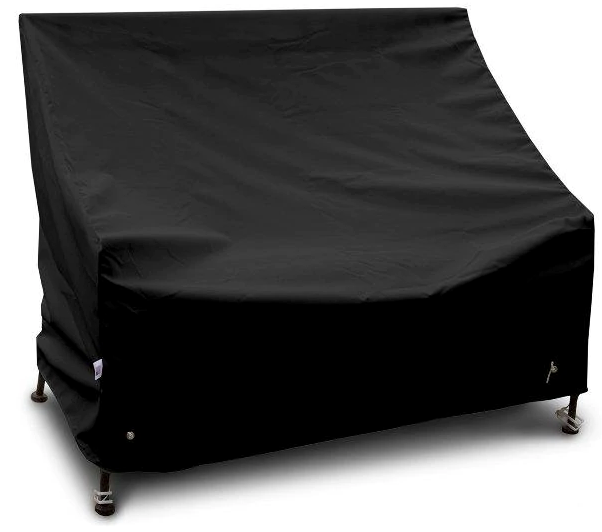
• Ensure proper air circulation if using covers (trapped moisture causes rot)
• Consider storing premium pieces in mild climates during harshest months
FAQ: Weatherproofing Wooden Outdoor Furniture
How often should I weatherproof my outdoor wooden furniture?
Most sealants require reapplication every 2–3 years. High-quality epoxy coatings last 5+ years. Oil treatments need reapplication every 3–6 months. Inspect annually and reapply sooner if you notice water beading diminishing.
Can I weatherproof old, damaged furniture?
Yes, but repair damage first. Sand out splinters, fill cracks with outdoor wood filler, and let it cure fully. Then apply weatherproofing treatments. Treating damaged wood extends its life but won't restore original appearance.
Is weatherproofing necessary for naturally rot-resistant woods like teak?
While teak resists decay naturally, weatherproofing preserves appearance and extends lifespan significantly. Even teak benefits from periodic oiling and UV protection, though maintenance is less intensive than for softwoods.
What's the best weatherproofing for coastal environments?
Coastal salt spray accelerates wear. Use premium polyurethane or epoxy sealants rated for marine use. Apply 3 coats and reapply annually. Teak or acacia wood handles coastal conditions better than cedar or softwoods.
Can I DIY weatherproofing, or should I hire professionals?
DIY weatherproofing is absolutely feasible for most furniture. You'll need quality brushes, drop cloths, and time. Hiring professionals adds cost but ensures expert-level application. For valuable heirloom pieces or complex finishes, professional treatment may be worthwhile.
Protecting Your Investment
Weatherproofing wooden outdoor furniture is straightforward, affordable, and transformative. By selecting durable wood species, applying appropriate sealants, and maintaining your pieces seasonally, you ensure outdoor furniture remains beautiful and functional for decades.
Whether you're furnishing a new deck or revitalizing existing pieces, prioritize weatherproofing from day one. The modest investment in quality treatments and regular maintenance protects your larger investment in premium outdoor furniture—letting you enjoy your outdoor space confidently, regardless of the weather.