The Complete Guide to Poly Furniture Care: How to Keep It Looking New for Decades

The Complete Guide to Poly Furniture Care: How to Keep It Looking New for Decades
If you have chosen poly furniture for your patio, deck, or garden, you already recognize its superior quality. Made from high-density polyethylene (HDPE), a recycled plastic, poly furniture is valued for its durability, weather resistance, and low maintenance.

But “low maintenance” doesn’t mean no maintenance.

Over time, UV rays, moisture, bird droppings, pollen, mold, and everyday grime can affect even the best poly furniture. Without regular care, stains may set, colors may fade, and joints may weaken. A consistent maintenance routine helps preserve poly furniture’s appearance and integrity for 20 to 50 years, in line with most manufacturers’ warranties.

This guide explains how to clean, protect, restore, and store your furniture, as well as common mistakes that can shorten its lifespan.

Poly furniture care guide for keeping outdoor pieces looking new for decades


Understanding Poly Furniture: What Makes It Different

Poly furniture is made from HDPE lumber, mainly sourced from recycled milk jugs, detergent bottles, and plastic containers. The material is colored throughout rather than painted on the surface, and it is assembled with stainless steel hardware into a wide range of outdoor furniture pieces.

Key characteristics that define poly furniture:
  • Non-porous surface — resists moisture absorption and rot
  • UV-stabilized pigments — color runs through the entire board, not just a coating
  • Splinter-free and fade-resistant —no painting, staining, or sealing required
  • Environmentally responsible —made from 90–100% recycled plastics
  • Heavy and stable —less likely to tip or shift in wind compared with lighter aluminum or resin furniture

Beyond its impressive durability, this material provides endless design flexibility to help you craft your perfect outdoor space. Manufacturers offer a vast palette of fade-resistant poly colors—ranging from classic neutral earth tones to vibrant tropical shades—along with refined finish options that mimic the rich, natural look of real wood grain without any of the maintenance hassle.

Because poly frames last for decades, pairing them with high-performance cushion fabrics like Sunbrella® ensures your entire set remains comfortable and stylish year after year. These marine-grade fabrics are specifically engineered to resist UV rays, moisture, and mildew, completing an outdoor space that is truly built to last through every season.

Understanding these properties helps you choose the right care routine and protect the material’s strengths.

Cleaning Methods and Best Practices

Routine Cleaning (Weekly or Bi-Weekly)

For everyday dirt, pollen, and light grime, a straightforward wash is all you need:
  • Mix warm water with a few dropsof mild dish soap
  • Use a soft-bristle brush or microfiber cloth to scrub the surface
  • Rinse thoroughlywith a garden hose
  • Allow the furniture to air drycompletely before covering or storing
Avoid abrasive scrubbing pads or steel wool. Although poly is durable, harsh abrasives can create micro-scratches that trap dirt.

Deep Cleaning (Seasonally or As Needed)

For stubborn stains, mold, mildew, or ground-in dirt:
  1. Apply a dedicated HDPE or outdoor furniture cleaner —products like Simple Green Outdoor Cleaner or 303 Multi-Surface Cleaner work effectively
  2. Let the cleaner dwell for 5–10 minutes before scrubbing
  3. For mold and mildew, a diluted solution of 1 part white vinegar to 2 parts water is highly effective and safe for the material
  4. Use a power washer on a low setting (under 1,500 PSI) for large sets — keep the nozzle at least 12 inches from the surface
  5. Rinse fully and dry
Avoid bleach-based cleaners on colored poly furniture. Although HDPE is bleach-resistant, extended exposure may cause fading in some pigments and damage stainless steel hardware.

Protection from Weather and Environmental Factors

Poly furniture is weather-resistant, though proactive protection can further extend its lifespan and maintain its appearance.

UV Protection

Even with UV-stabilized pigments, prolonged direct sunlight, especially in hot climates, can gradually lighten colors. To minimize this:
  • Apply a UV-protectant spray(such as 303 Aerospace Protectant) once or twice per season
  • Position furniture under a pergola, umbrella, or shade sail during peak afternoon sun where possible
  • UV protectants can also restore a subtle sheen to furniture that has been diminished by sun exposure.

Rain and Moisture

Because poly furniture is non-porous, standing water does not pose a structural risk. However:
  • Ensure furniture has drainage holes (most quality pieces do) so water doesn’t pool in seats
  • Wipe down cushion surfaces after heavy rain to prevent mold on cushion fabrics, not the poly itself
  • Avoid storing poly furniture in dark, damp, unventilated spaces. While HDPE will not rot, hardware and wooden accents may be affected

Wind and Physical Stress

In high-wind areas:
  • Use furniture anchors or weighted leg covers for lighter chairs and side tables
  • Store or stack chairs during storms instead of leaving them exposed.


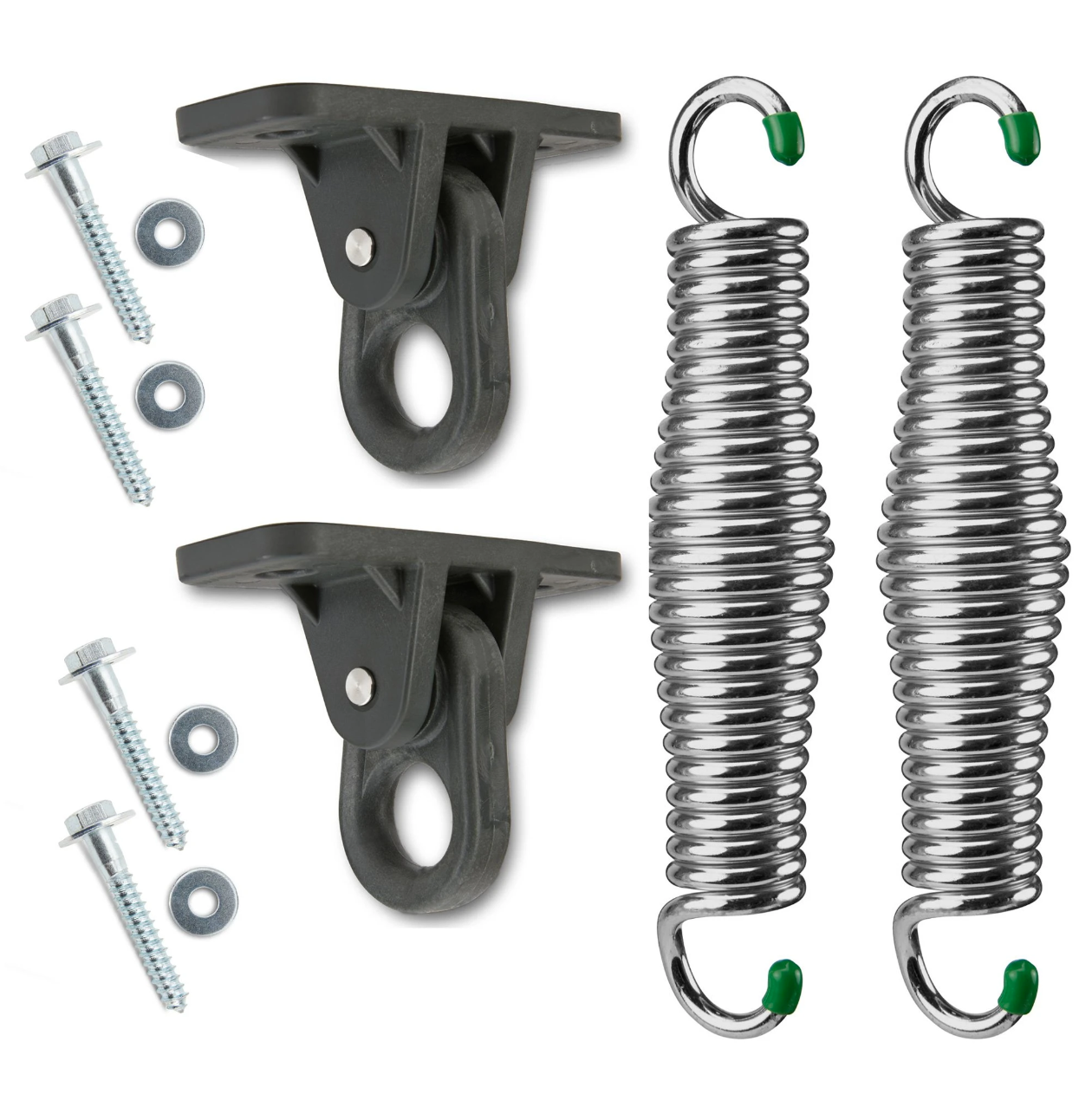
5 ft poly Galaxy swing in a weather-resistant outdoor furniture care article


Restoration and Repair Guidance

Even well-maintained poly furniture may develop surface scuffs, scratches, or a chalky, oxidized look over time. To restore it, first clean the surface, then address cosmetic issues. Most cosmetic damage is reversible.

Restoring Faded or Chalky Surfaces

Oxidation creates a white, chalky film on the surface. To restore:
  • Apply 303 Aerospace Protectant or a similar plastic restorer with a clean cloth, using circular motions
  • Buff to a consistent finish
  • Repeat annually as a preventive measure — don’t wait for visible oxidation

Removing Deep Scratches

For external scratches on HDPE:
  • Use 400–600 grit wet/dry sandpaper with water to lightly sand the affected area
  • Follow with a plastic polish or restorer to blend the area
  • Because color runs through poly furniture boards, light sanding will not expose a different-colored substrate. This is a major benefit over painted metal or coated wood.

Hardware Maintenance

Stainless steel bolts and fasteners require minimal care but benefit from an annual inspection:
  • Check each bolt for looseness and tighten as needed
  • Apply a small amount of stainless steel polish or WD-40 to prevent surface rust on standard steel components if non-stainless hardware was used
  • Replace any corroded fasteners promptly to prevent joint stress
Hardware Types: While stainless steel hardware is standard on quality poly furniture, 316-grade stainless steel is preferred for saltwater or coastal environments to help resist tea-staining and surface pitting better than standard 304-grade hardware.

5 ft plain poly glider chair for outdoor furniture care and maintenance

Long-Term Storage Recommendations

If you live in an area with harsh winters or long off-seasons, proper storage will significantly extend the life of your poly furniture.
Best storage practices:
  • Stack chairs using the stacking feet or rails most designs include — this prevents warping and saves space
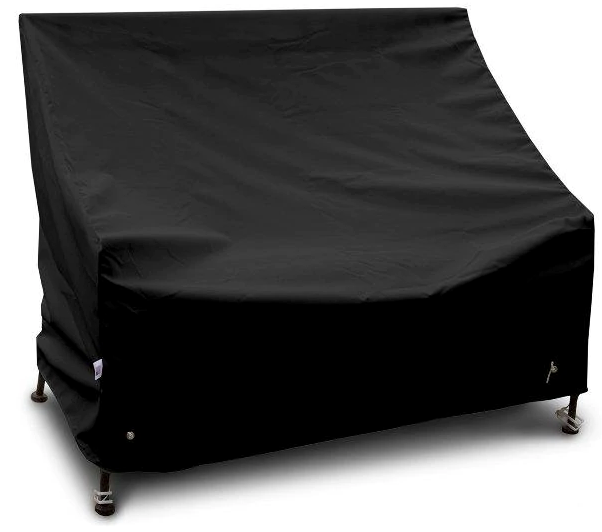
  • Cover sets with breathable, UV-resistant furniture covers (avoid non-breathable plastic tarps that trap moisture and encourage mold)
  • Store in a garage, shed, or covered patio rather than outdoors uncovered
  • Before storing, perform a deep clean. Never store furniture with dirt, pollen, or bird droppings on the surface.
  • Leave storage bags or covers slightly open at the base to allow airflow
Unlike teak or wrought iron furniture, poly furniture does not require seasonal oiling, painting, or rust treatment before storage. This is a significant practical advantage.

Common Mistakes to Avoid

Even experienced outdoor furniture owners make these errors with poly furniture:
Using harsh chemical cleaners Can degrade pigments and hardware Use mild soap or HDPE-specific cleaners
Storing in airtight plastic covers Traps moisture, encourages mold Use breathable furniture covers
Ignoring loose hardware Leads to structural weakness over time Inspect and tighten fasteners annually
Skipping UV protectant Accelerates color fading over years Apply protectant spray each season
Power washing on high pressure Can erode surface texture Keep PSI below 1,500, nozzle at distance
Storing dirty furniture Sets stains permanently Always clean before storing


Seasonal Care Considerations

Spring: Deep clean after winter storage. Inspect all hardware. Apply UV protectant before the season begins.
Summer:Rinse weekly to remove pollen, bird droppings, and dust. Reapply UV protectant mid-season in high-sun climates.
Fall:Deep clean thoroughly. Apply a protectant coat before covering or storing. Examine for any scratches or hardware wear to address before next season.
Winter:Store covered or indoors. For year-round outdoor climates such as coastal or southern regions, a light monthly rinse and an annual deep clean is sufficient.

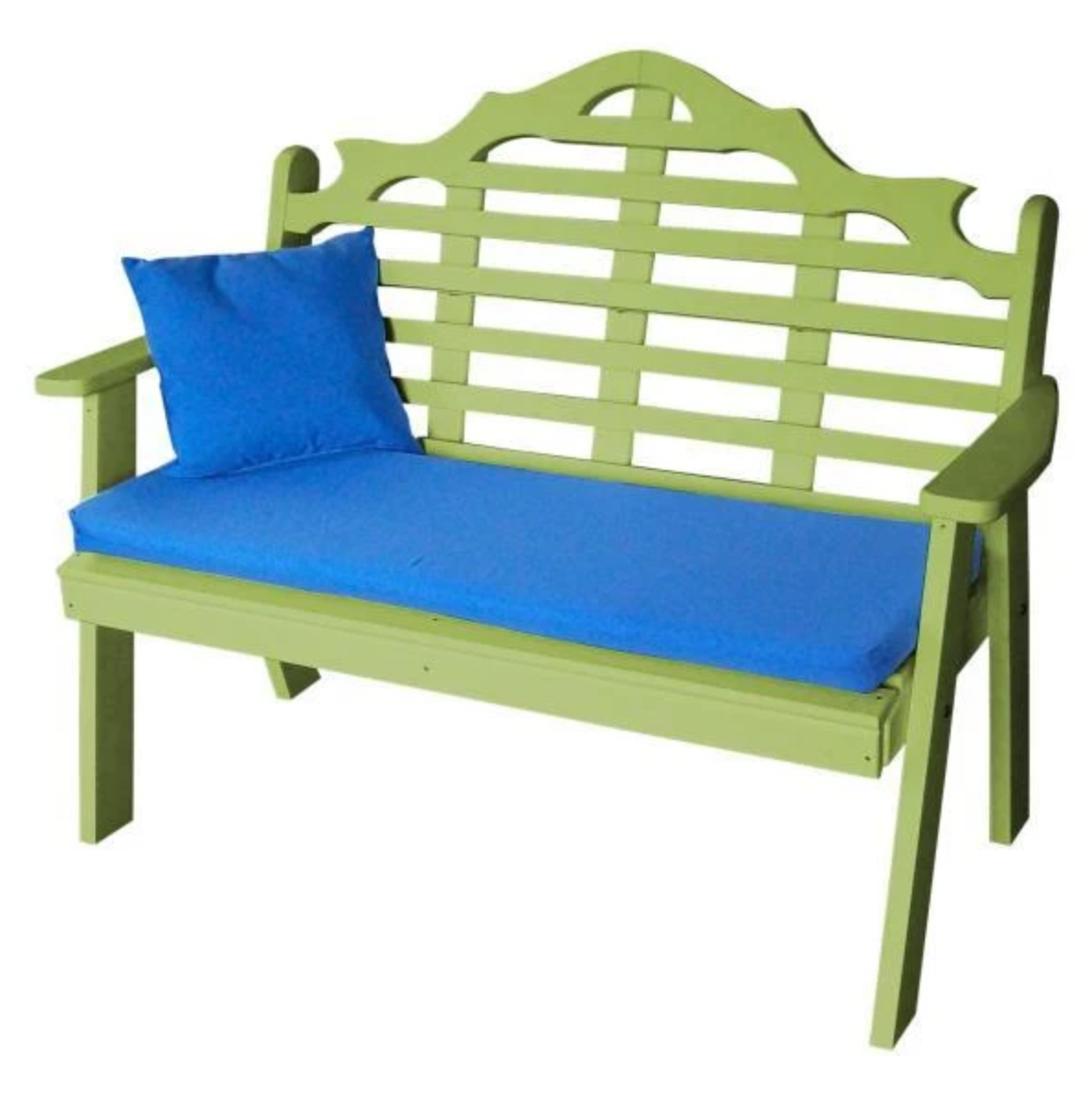
Poly furniture park benches for seasonal outdoor care and storage

Frequently Asked Questions

Q: Can poly furniture be left outside all year?
Yes. Poly furniture is designed for year-round outdoor use. However, covering it during off-seasons or harsh winters reduces fading and keeps it cleaner with less effort.

Q: Does poly furniture crack in extreme cold?
High-quality HDPE furniture is cold-resistant and does not crack or become brittle in freezing temperatures — one reason it is popular in northern climates.

Q: How do I remove black mold from poly furniture?
A solution of 1 part white vinegar to 2 parts water, applied with a soft brush and left for 10 minutes before rinsing, effectively removes mold without damaging the material.

Q: Is poly furniture environmentally friendly?
Yes — most poly furniture is made from 90–100% recycled HDPE plastics, diverting considerable waste from landfills. It is also fully recyclable at the end of its life.

Q: How often should I apply UV protectant to poly furniture?
Once at the start of the season and once mid-season in high-UV climates. In shaded or moderate climates, once annually is typically sufficient.

Conclusion

Poly furniture’s greatest advantage is its longevity, which is best maintained with a consistent, simple care routine. You do not need specialty products, professional services, or considerable labor. A seasonal deep clean, periodic UV protection, annual hardware checks, and proper storage are all that are required.

With basic care, poly furniture provides decades of vibrant color, structural durability, and reliable outdoor performance. Choose collections that suit your outdoor style and enjoy the assurance that your investment will remain attractive for years to come.


Also in News

Composting and Waste Reduction Tips for Outdoor Gatherings

Solar-Powered Outdoor Accessories: Energy-Free Solutions for Every Patio and Garden

Green Patio Design: Create a Sustainable Outdoor Space That's Beautiful and Built to Last