Your Cart is Empty

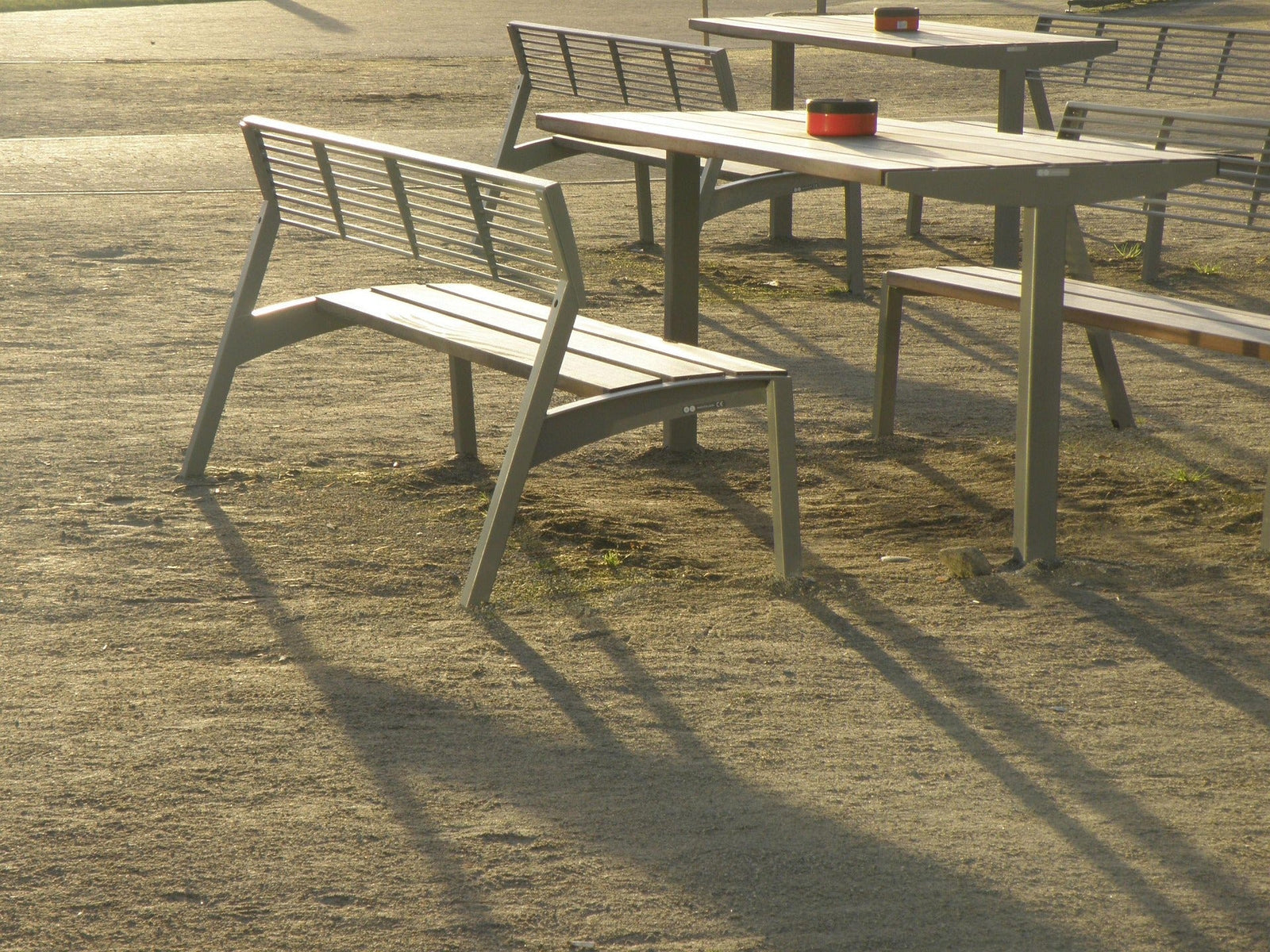


Establishing a regular care routine for all wooden surfaces is the simplest way to preserve their beauty and structural integrity over time. Daily exposure to environmental stressors—such as harsh direct sunlight streaming through unshaded windows—can dry out finishes and accelerate fading. To counter daily wear and prevent deep-set grime, wipe down your wooden furniture with a soft cloth dampened with warm water and a few drops of mild detergent. This gentle cleaning method effectively lifts dirt without stripping the wood's protective topcoat or causing micro-scratches.
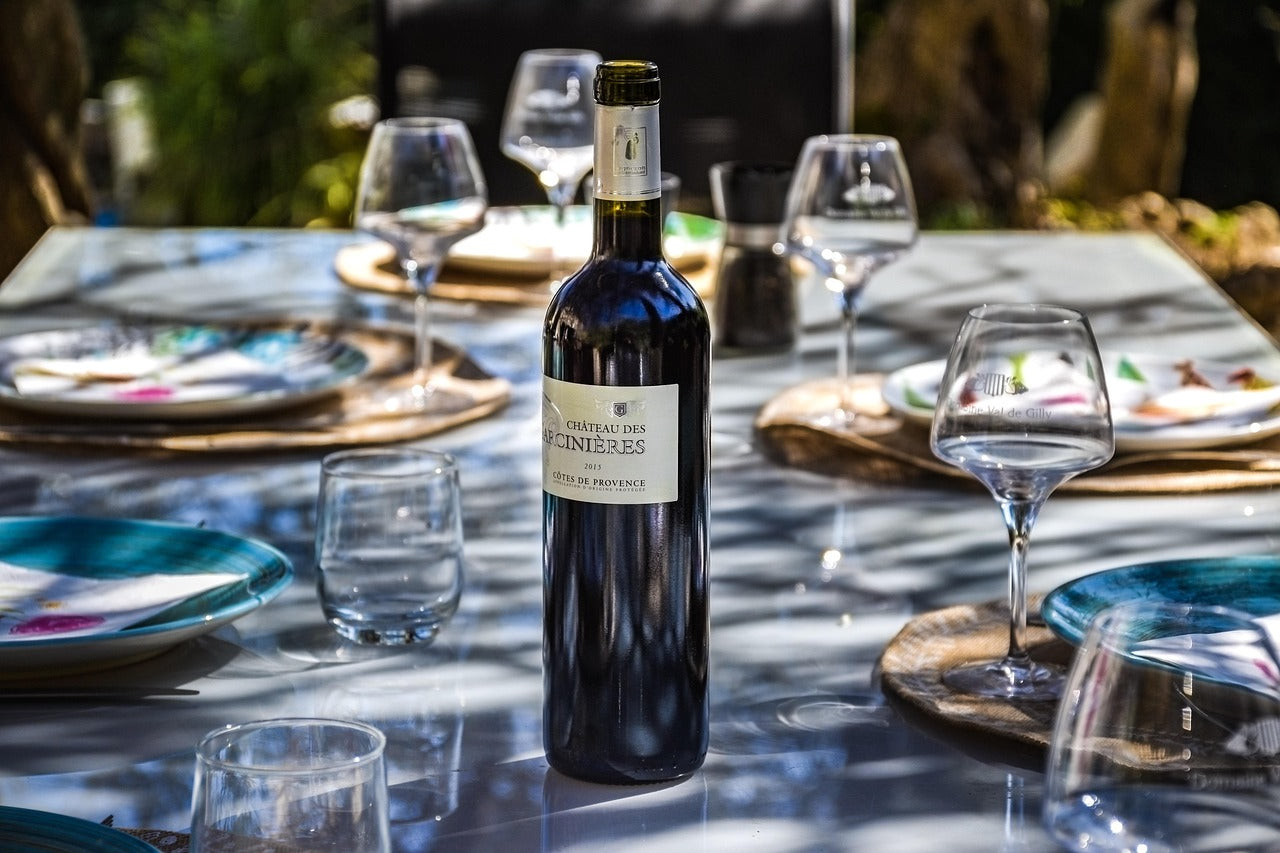
Immediate intervention is equally vital when accidents happen. Leaving damp glasses or wet items directly on raw or lightly sealed wood often leaves unsightly water rings that penetrate deep into the grain. To remove stains and lift moisture marks before they become permanent discoloration, address spills instantly with a soft, absorbent towel. By combining proactive habits with safe cleaning solutions, you safeguard your investments against everyday household hazards.


Q: How often should I clean my outdoor wood furniture?
A:You should perform light cleaning weekly to remove debris, but deep cleaning with specialized solutions should be done seasonally—typically in spring after winter storage and in autumn before winterization.
Q: Can I use regular furniture polish on all wood types?
A:No, different woods require specific treatments. For example, teak should never receive traditional varnish or heavy oils, while pine benefits from specialized waxes. Always check material-specific guidelines before applying any product.
Q: What's the biggest mistake people make with cast iron furniture?
A: The most common error is allowing surface rust to develop unchecked. Once oxidation begins, it can spread rapidly through the metal. Regular inspection and immediate treatment with protective waxes are essential.
Q: Is poly furniture really maintenance-free?
A: While marketed as such, poly furniture still requires care. It accumulates stubborn stains and static-attracting dust, and can be damaged by aggressive cleaning techniques. Soft washing and specialized cleaners are necessary for long-term preservation.
Q: How does humidity affect different types of furniture?
A:Humidity impacts materials differently. Hardwoods like oak and hickory can warp or crack in low humidity, while high humidity encourages mold on cedar and pine. Maintaining stable indoor humidity (40-45%) is ideal for preserving most wood furniture.